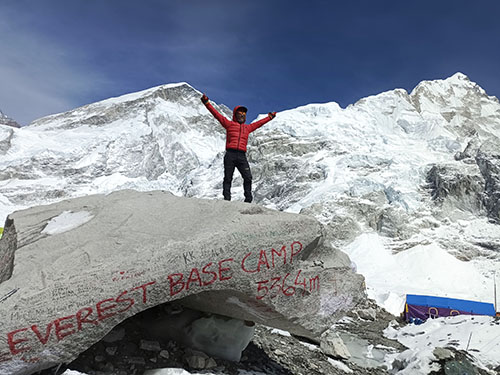
Winter trekking in Nepal offers a completely different Himalayan experience compared to the busy autumn and spring trekking seasons. Snow-covered mountains, peaceful trails, frozen rivers, crystal-clear skies, and quiet tea houses create a magical trekking atmosphere during the winter months. Among many trekking destinations in Nepal, the Langtang Trek stands out as one of the best and most suitable winter trekking adventures.
Located close to Kathmandu, the Langtang Valley Trek combines breathtaking Himalayan scenery, traditional Tamang culture, Buddhist monasteries, glaciers, alpine valleys, and accessible trekking routes, making it an excellent choice for winter trekking enthusiasts. Unlike extremely challenging high-altitude expeditions, Langtang remains relatively beginner-friendly while still offering dramatic winter landscapes and unforgettable mountain experiences.
For trekkers seeking peaceful trails, snowy Himalayan beauty, authentic local culture, and excellent mountain views without heavy tourist crowds, the Langtang Valley Trek becomes the perfect winter trekking destination in Nepal.
Why Trek in Nepal During Winter?
Winter trekking in Nepal is becoming increasingly popular among travelers looking for peaceful trekking routes, clear mountain visibility, and unique snowy landscapes. During winter, the Himalayas transform into a beautiful white paradise filled with frozen waterfalls, snow-covered forests, and silent mountain valleys.
Unlike peak autumn trekking seasons, winter offers a quieter and more relaxed trekking environment. Tea houses are less crowded, trails become peaceful, and trekkers can enjoy deeper connections with nature and local culture.
Winter also provides some of the clearest mountain views of the entire year. After snowfall, the skies often become incredibly clear, creating spectacular panoramic views of the Himalayan peaks.
Why is the Langtang Valley Trek the Right Choice for Winter Trekking?
Easily Accessible from Kathmandu
One of the biggest advantages of the Langtang Trek is its accessibility. Unlike Everest region treks that require flights, Langtang can be reached by road from Kathmandu. This makes winter travel easier, more affordable, and less affected by weather-related flight delays. The journey begins with a scenic drive to Syabrubesi, the gateway to the Langtang region of Nepal.
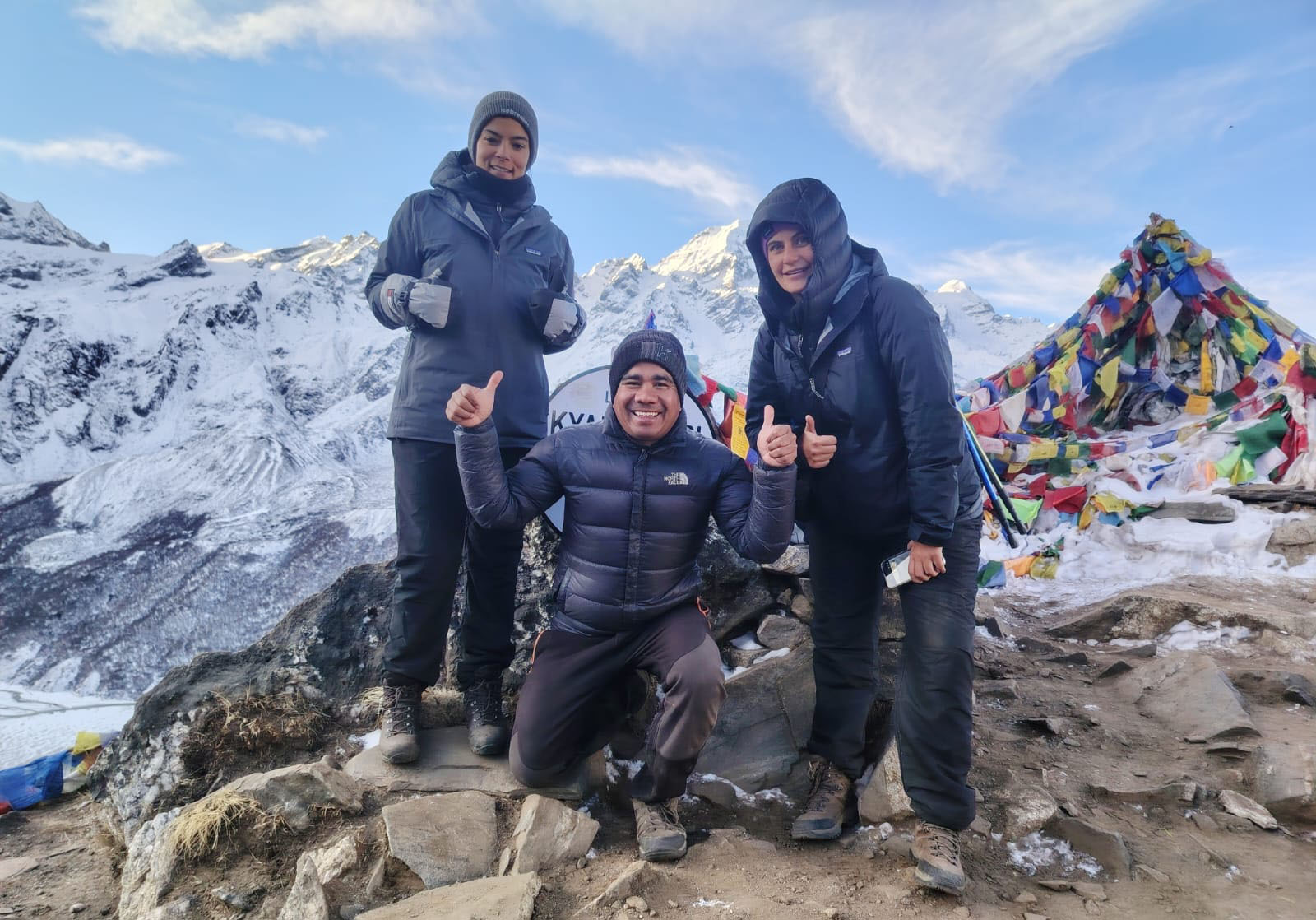
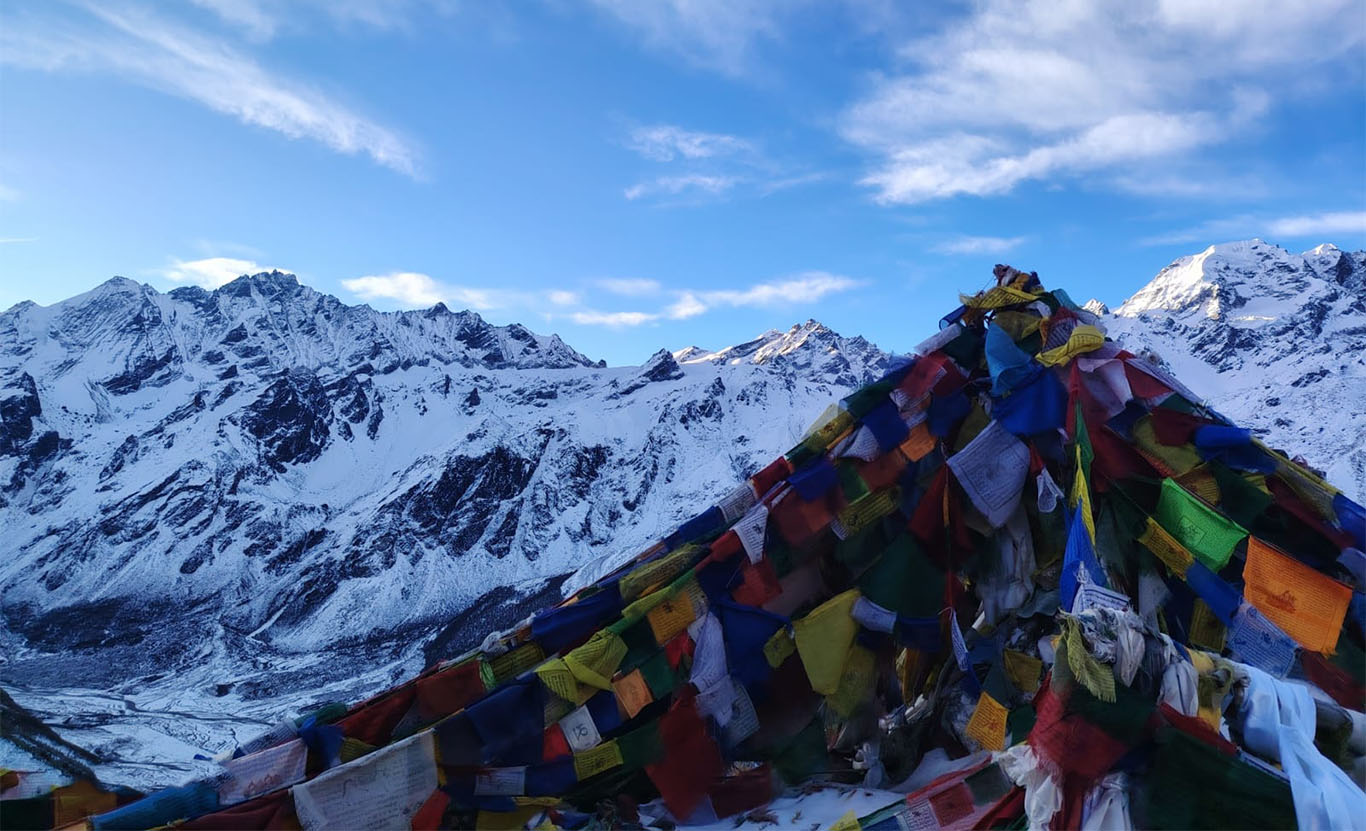
Close-up view of the Himalayas from the Kyanjin Ri viewpoint during the Langtang trek in Nepal.
Stunning Snow-Covered Landscapes
During winter, the Langtang Valley becomes incredibly beautiful with snow-covered forests, frozen rivers, glaciers, and white mountain peaks surrounding the trekking route.
The peaceful winter scenery creates a magical Himalayan atmosphere that feels completely different from other seasons. The higher regions around Kyanjin Gompa, Kyanjin Ri viewpoint, and Tserko Ri become especially breathtaking during snowy conditions.
Trekkers can enjoy dramatic views of:
- Langtang Lirung
- Dorje Lakpa
- Gangchenpo
- Yala Peak
- Langshisha Ri
Peaceful and Less Crowded Trails
One of the greatest advantages of winter trekking in Langtang is the peaceful environment. Unlike busy autumn trekking seasons, winter trails are quiet and uncrowded.
Trekkers can walk for hours through snowy forests and valleys while enjoying silence, nature, and uninterrupted Himalayan scenery. This peaceful environment is ideal for travelers seeking solitude, meditation, photography, or spiritual connection with nature.
Excellent Mountain Visibility
Winter offers some of the clearest mountain views in Nepal. The cold air and dry weather create excellent visibility conditions, especially during mornings and after snowfall. The snow-covered Himalayan peaks appear sharp and incredibly photogenic against deep blue winter skies.
Beginner-Friendly Winter Trek
Although winter trekking requires preparation, the Langtang Trek remains one of the more beginner-friendly winter treks in Nepal.
The trekking route:
- Has comfortable tea house accommodation
- Does not require technical climbing
- Has Easy to moderate trekking difficulty
- Offers a shorter trekking duration
- Allows gradual altitude gain
With proper winter clothing, preparation, and guidance, even beginner trekkers can enjoy the Langtang Valley Trek during winter.
Major Winter Attractions in Langtang Valley
Winter transforms the Langtang Valley into a peaceful Himalayan wonderland filled with snow-covered landscapes, frozen rivers, silent forests, and breathtaking mountain panoramas. Unlike the busy trekking seasons of spring and autumn, winter offers a more peaceful and magical trekking atmosphere where nature feels untouched and incredibly pure.
Below are some of the most remarkable winter attractions that make the Langtang Valley Trek one of the best winter trekking experiences in Nepal.
Snowy Forest Trails
One of the most beautiful parts of the Langtang Trek during the winter is the enchanting forest section between Syabrubesi and Lama Hotel. These lower and middle sections of the trail pass through dense forests filled with pine, oak, bamboo, and rhododendron trees that become covered in fresh snow during the winter months.
As trekkers walk through these forests, the entire environment feels calm, peaceful, and almost dreamlike. Snow rests gently on tree branches, while frozen leaves and icy pathways create a magical winter atmosphere deep inside the Himalayas. Early morning trekking through these snowy forests is especially memorable because the sunlight slowly filters through the trees, creating beautiful light reflections on the snow-covered ground.
The peaceful silence of the winter forest is another unique experience. Unlike busier seasons when trails may be crowded, winter allows trekkers to fully enjoy the sounds of nature, flowing rivers, birds, and mountain winds without disturbance.
The snowy forest section is also excellent for photography. The contrast between white snow, dark pine forests, colorful prayer flags, and traditional wooden tea houses creates incredibly scenic Himalayan landscapes throughout the route.
In some areas, trekkers may also encounter wildlife tracks in the snow. Langtang National Park is home to animals such as Himalayan deer, langur monkeys, red pandas, and Himalayan birds, making the winter forest experience even more special for nature lovers.
Frozen Rivers and Waterfalls
Winter dramatically changes the rivers, streams, and waterfalls throughout the Langtang Valley Trek. During colder months, many waterfalls partially freeze, creating beautiful icy formations along the trekking trail.
The Langtang River, which flows beside much of the trekking route, appears even more striking during winter. In certain shaded sections, small streams and waterfalls freeze into crystal-like ice structures that shimmer under sunlight. The combination of moving water, ice formations, snowy rocks, and surrounding forests creates a unique Himalayan landscape rarely experienced during other seasons.
As trekkers move higher into the valley, frozen streams and icy waterfalls become more common, especially around Ghodatabela, Langtang Village, and Kyanjin Gompa. These natural winter formations create incredible scenery and provide excellent opportunities for photography and exploration.
The sound of flowing rivers combined with the quiet winter environment adds a peaceful and meditative feeling to the journey. During clear winter mornings, sunlight reflecting on frozen river surfaces and icy rocks creates a sparkling effect across the valley.
For many trekkers, the frozen waterfalls and icy river landscapes are among the most memorable parts of winter trekking in Langtang because they showcase a completely different side of the Himalayas compared to spring or autumn.
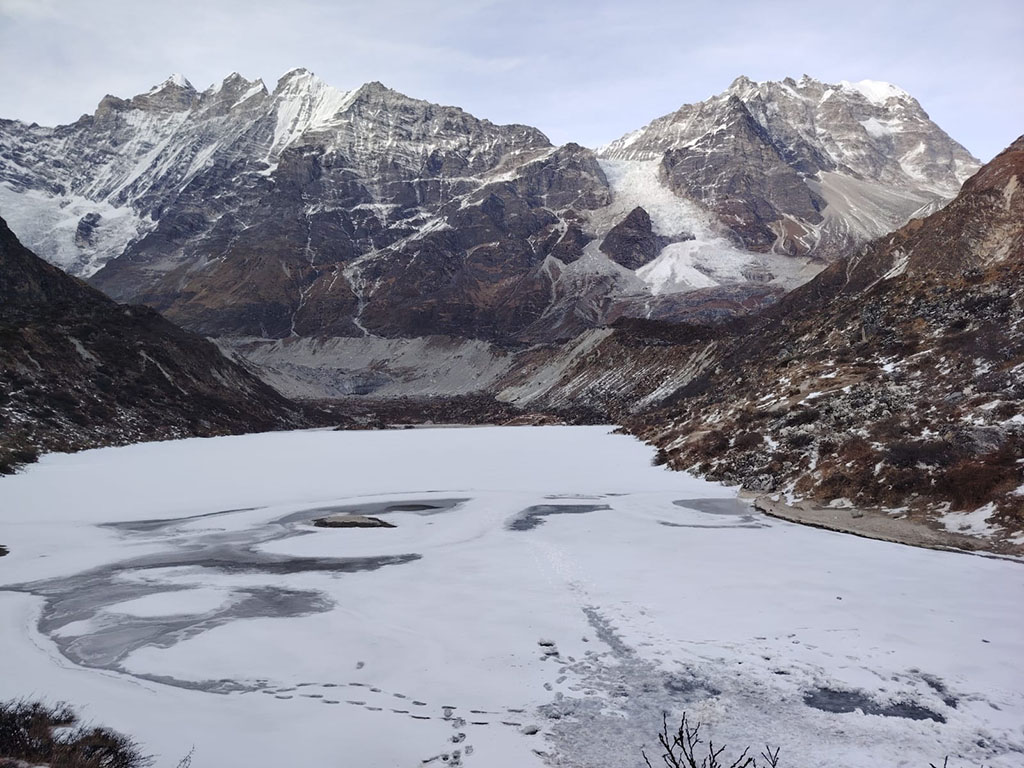
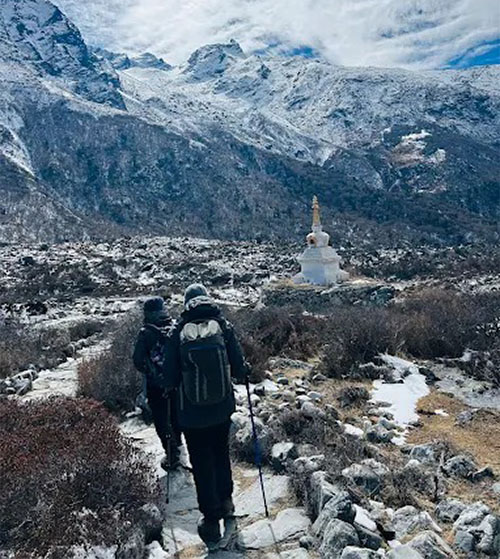
The frozen Langtang Khola (river) near Kyanjin Gumpa is set against the stunning backdrop of a Himalayan peak.
Kyanjin Gompa in Winter
Kyanjin Gompa is the highlight of the Langtang Trek throughout the year, but during winter it becomes even more magical and spiritually peaceful. Located at around 3,870 meters, Kyanjin Gompa is surrounded by towering snow-covered Himalayan peaks, glaciers, yak pastures, and frozen alpine landscapes.
During winter, the village transforms into a quiet Himalayan sanctuary where trekkers can fully appreciate the beauty and serenity of the mountains. Snow blankets the rooftops of traditional stone houses, monasteries, and surrounding hills, creating an unforgettable winter scene.
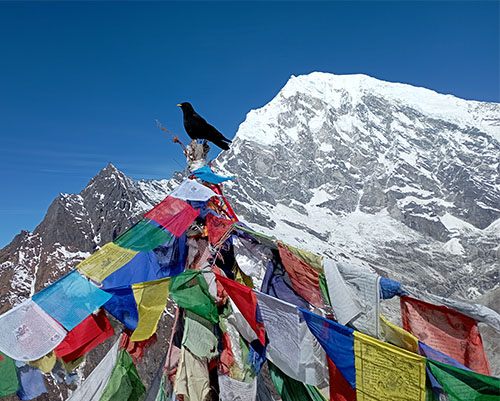
The Buddhist monastery at Kyanjin Gompa becomes especially peaceful during winter. Prayer flags flutter against snowy mountain backdrops while monks continue their spiritual routines in the calm Himalayan environment. The combination of spirituality, mountain culture, and winter scenery creates a deeply meaningful experience for many trekkers.
The mountain views from Kyanjin Gompa are extraordinary during winter. Peaks such as Langtang Lirung, Yala Peak, Dorje Lakpa, and Langshisha Ri appear incredibly sharp and dramatic against the clear blue winter skies. The surrounding glaciers and snowfields add even more beauty to the landscape.
Winter mornings in Kyanjin Gompa are especially memorable. As the first sunlight touches the snow-covered mountains, the entire valley glows with golden colors while the cold, fresh air creates a peaceful and refreshing atmosphere.
Trekkers staying at Kyanjin Gompa during winter often describe it as one of the most beautiful and peaceful Himalayan villages in Nepal.
Sunrise and Sunset Views
Winter sunrises and sunsets in Langtang Valley are among the most breathtaking natural experiences in the Himalayas. The winter skies, snow-covered peaks, and cold mountain air create perfect conditions for dramatic Himalayan lighting during early mornings and evenings.
At sunrise, the first golden sunlight slowly touches the snow-covered peaks of Langtang Lirung, Dorje Lakpa, Gangchenpo, and the surrounding mountains. The white snow begins reflecting shades of gold, orange, pink, and red as the sun rises higher above the valley. Watching the mountains gradually light up during winter mornings creates an unforgettable trekking experience.
Sunset views are equally impressive. As the sun begins to set behind the Himalayas, the snow-covered peaks glow with warm orange and red colors against deep blue skies. The changing colors across the glaciers, cliffs, and mountain ridges create extraordinary Himalayan scenery.
Winter sunsets around Kyanjin Gompa, Langtang Village, and high viewpoints such as Kyanjin Ri and Tserko Ri are especially famous for their dramatic beauty. Because winter air remains dry and clear, visibility during sunrise and sunset is often much better than during monsoon or cloudy seasons.
Photographers and nature lovers particularly enjoy winter sunrise and sunset moments because the lighting conditions create some of the most spectacular Himalayan images possible.
Beyond photography, these moments also provide deep emotional and spiritual experiences. Standing quietly in the cold Himalayan air while watching sunlight touch the snow-covered peaks creates a strong connection with nature and the mountains.
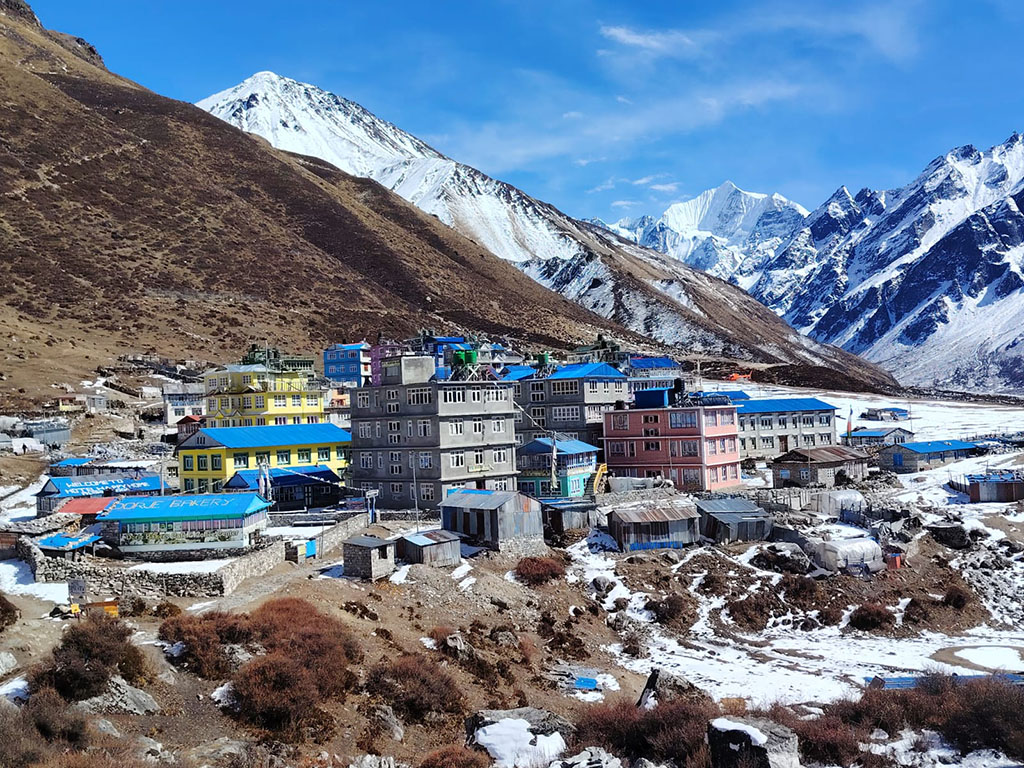
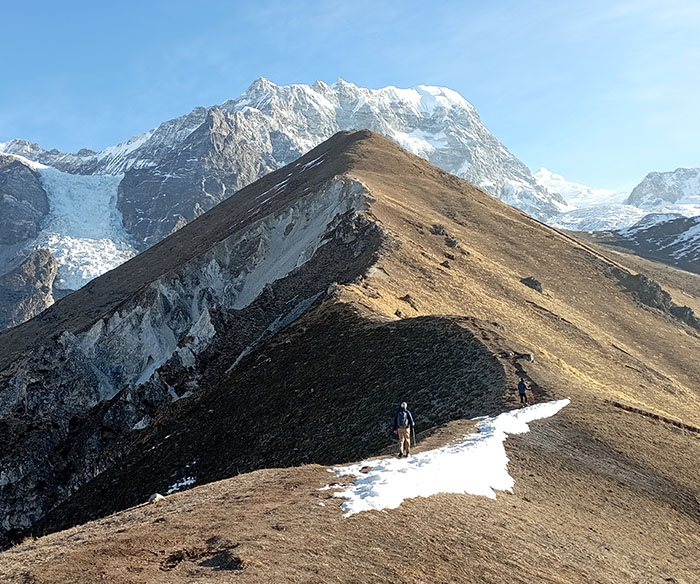
Kyanjin Gompa is situated at an altitude of 3,870 meters, offering stunning views of the surrounding snowcapped Himalayas.
Challenges of Winter Trekking in Langtang
Although winter trekking is highly rewarding, trekkers should also understand the challenges.
- Cold Temperatures: Nighttime temperatures can become extremely cold, especially at higher elevations.
- Snow-Covered Trails: Heavy snowfall can make some sections slippery or difficult to walk.
- Shorter Daylight Hours: Winter days are shorter, so trekking schedules must be planned carefully.
- Limited Facilities: Some tea houses at higher elevations may provide limited facilities during extreme winter conditions.
Essential Winter Packing List for Langtang Trek In Nepal
- Heavy down jacket
- Thermal base layers
- Fleece jacket
- Waterproof shell jacket
- Warm trekking pants
- Wool hat and neck gaiter
- Winter gloves
- Sunglasses and sunscreen
- Thick wool socks
- Waterproof trekking boots
- Trekking poles
- Sleeping bag for cold weather
- Headlamp and power bank
Winter Trekking Tips for Beginners
- Walking Slowly and Steadily: Winter trails may be snowy or icy, so walking carefully and steadily is important.
- Stay Hydrated: Even during cold weather, proper hydration helps prevent altitude sickness and fatigue.
- Dress in Layers: Layering helps regulate body temperature during changing mountain weather conditions.
- Start Trekking Early: Winter days are shorter, so starting early allows enough time to reach destinations before sunset.
- Hire an Experienced Guide: An experienced guide helps with navigation, safety, weather awareness, and local support during winter trekking.
Why Choose Langtang Over Other Winter Treks in Nepal?
Compared to many high-altitude trekking routes in Nepal, Langtang offers:
- Easier accessibility
- Easy to Moderate trekking difficulty
- Affordable trekking cost
- Less crowded trails
- Comfortable tea house accommodation
- Outstanding winter scenery
- Beginner-friendly trekking experience
For trekkers searching for the perfect balance between adventure, safety, scenery, and accessibility during winter, the Langtang Trek becomes one of the best choices in Nepal.
Conclusion
If you are wondering where to trek during wintertime in Nepal, the Langtang Trek is truly one of the best choices. With peaceful snowy trails, crystal-clear mountain views, beautiful Himalayan landscapes, rich Tamang culture, and accessible trekking routes, Langtang offers an unforgettable winter trekking experience.
Book an 8-day complete Langtang Trek Package or consider our 14-day Langtang Trek combined with Yala Peak Climbing!
Whether you are a beginner trekker, nature lover, photographer, or adventure traveler seeking peaceful Himalayan beauty, the Langtang Valley Trek during winter provides a magical and rewarding journey in the heart of Nepal.