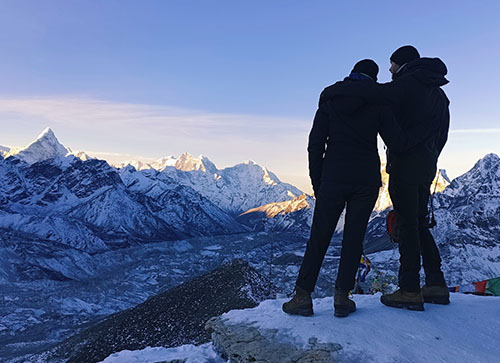
There is something deeply special about a solo trek to the Everest Base Camp. While other trekkers walk the route in groups, accompanied by friends, or within structured groups, doing it alone gives the experience a very personal space. The Himalayas, with their openness and towering peaks, are not just a backdrop for adventure but a companion to determination and self-discovery.
A solo trek to Everest Base Camp is more than just walking to a legendary path; it's more about embracing isolation and finding strength in independence. Every step is your option, every stop your choice, and each encounter along the trail feels more intimate. From the bustling streets of Kathmandu to the tranquil moments gazing at Everest from Kala Patthar, you can set your own pace, find your own rhythm, and connect with the earth in ways that are deeply intimate.
But trekking alone is never lonely. The EBC trail is filled with other travelers, local Sherpa guides, and homey tea houses. You'll share cups of hot tea, exchange words of encouragement on the steep ascents, and discover that though the trek is singular, it is enriched all the more by those that you meet.
The solo journey to Everest Base Camp is both a test and a gift. It tests your physical strength, your adaptability, and your inner strength. Whereas, it also gives you clarity, confidence, and experiences that are just yours to keep. Standing at the base of the world's tallest mountain, you realize that being alone in the Himalayas is never empty; it is full of significance, beauty, and the quiet joy of discovering who you truly are.
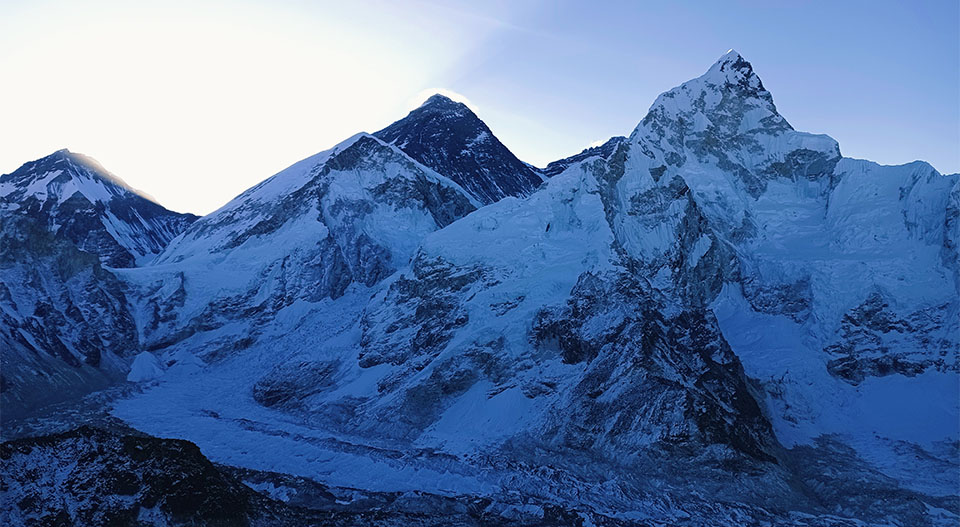
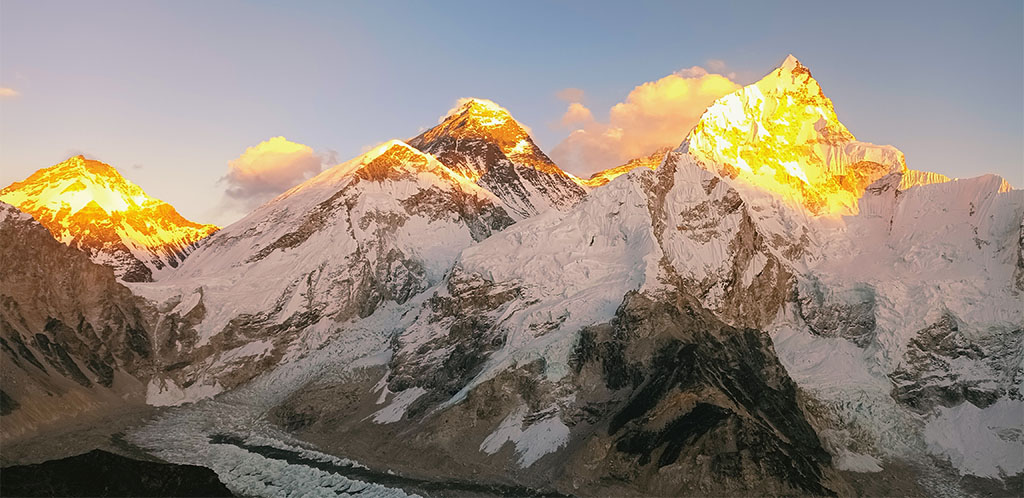
At the Kala Patthar viewpoint, which stands at 5,545 meters, you can enjoy a breathtaking view of Mount Everest just before sunrise.
The Freedom of Independent Travel.
One of the greatest advantages of trekking to Everest Base Camp alone is the liberty it allows. You are not bound by group schedules or compromises; you can trek at your own pace, stop when a view leaves you breathless, or push on when energy levels surge. Each choice is yours, and the trail somehow feels uniquely yours. This isolation allows you to hear the rhythm of your body and the soft whispers of the mountains.
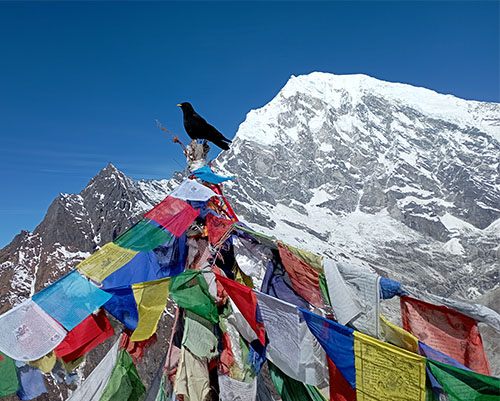
There will be days when you will spend hours in silence sitting, and there will be days when you will have impromptu conversations with fellow travelers. Alone, the Himalayas become intimate, and each sunrise, snowfall, or prayer flag becomes a moment between you and the mountains.
Challenges Faced Alone.
Solo trekking also has its challenges that can put you to the test. Without the immediate motivation of a group, feelings of exhaustion or uncertainty can be more burdensome. Altitude sickness, unpredictable weather, and steep terrain are obstacles that require careful preparation and mental resilience.
But overcoming them on your own makes for a profound sense of achievement. And when you finally reach Everest Base Camp, looking out over the Khumbu Icefall to the towering presence of Everest, you know that every step was gained by your resolve. The challenges are turned into keen memories, reminders that you are capable of far more than you ever imagined.
Cultural Connections Along the Trail
Even as individual trekking encourages independence, it also gives unique opportunities to absorb the culture. Trekkers who venture alone become more approachable people, and locals and fellow trekkers invite themselves to speak with you. From the wide grins of the tea house owners to the friendly conversation with Sherpas, every experience is all the more intimate.
You will find yourself lingering in monasteries, listening to the monks' prayers, or dining with strangers at a table, enjoying dal bhat and stories. These are the experiences that make the trip rich, reminding one that the trek to Everest is as much about landscapes as it is about the Himalayan people.
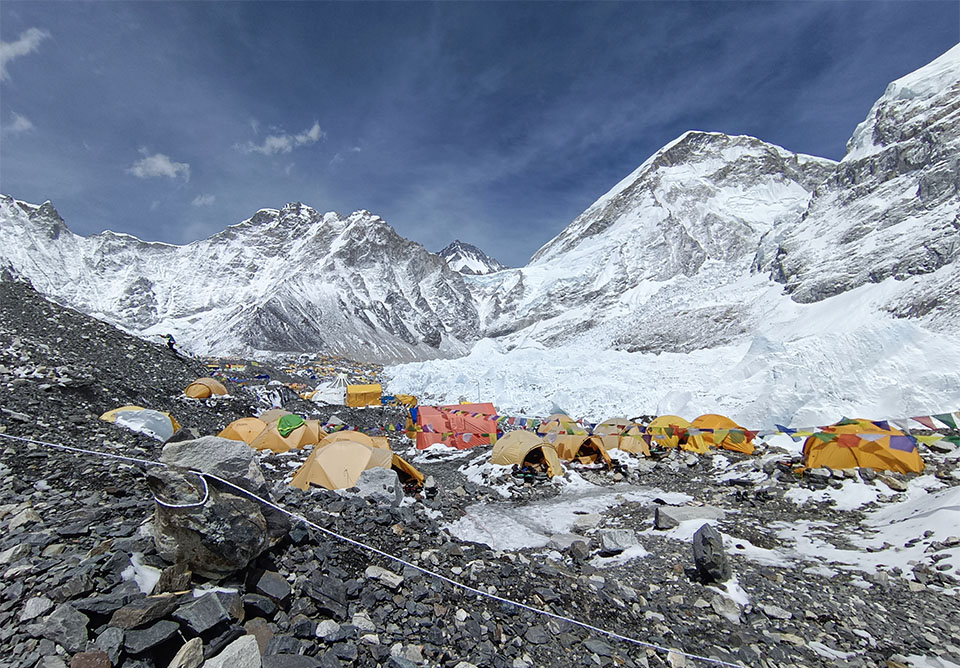
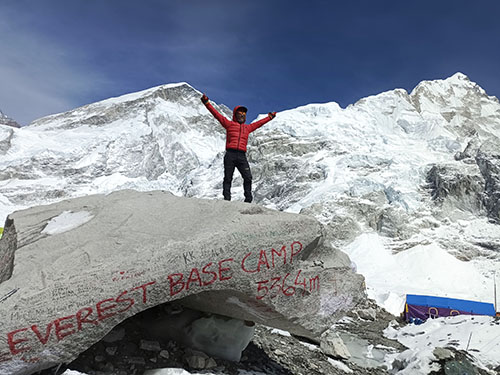
The Everest Base Camp, situated at an elevation of 5,364 meters / (17,598 feet), is the tallest mountain base camp in the world.
A Journey of Self-Discovery
In its essence, a solo trip to Everest Base Camp is both inward and outward. Walking alone, surrounded by huge mountains and clear skies, you begin pondering your own life, goals, and resilience. The quiet of the mountains provides space for observation, and you can get in touch with yourself again in ways that everyday life never allows.
Reaching base camp is an athletic achievement and an individual accomplishment. Solitude gives you patience, the hardship gives you courage, and the beauty of the Himalayas makes you humble. By the time you return, you don't merely have memories of Everest, you have a new respect for yourself and what you're capable of.
Conclusion.
A solo trek to Everest Base Camp is not merely a matter of reaching a destination; it is a matter of experiencing the journey in its most unadulterated, personal manner. It's the freedom of traveling on your own terms, the challenge of figuring things out by your own skill, the joy of connecting deeply with people and culture, and the contemplative hours of peace that solitude itself can bring.
Standing at the foot of the world's tallest mountain, you realize that this journey has given you more than breathtaking vistas; it has given you strength, perspective, and a memory that is all your own. Every day, every encounter, every stroll along the rugged paths is part of your very own personal story that you will carry with you forever.
Everest Base Camp, when completed solo, is not just a place; it is a journey that shatters you. It teaches you that loneliness is not emptiness, but abundance, that tests are opportunities to become stronger, and that the greatest adventures are those where you don't just discover the world, but yourself too.
FAQs about Solo Trek to Everest Base Camp.
Is it safe to trek to Everest Base Camp alone?
Yes, it is quite safe to trek individually to Everest Base Camp, for the trail is well-developed and trampled by both trekkers and locals on a regular basis. Safety, though, depends on preparation, understanding how to manage altitude sickness, having the right equipment, and being on the lookout for changes in the weather. It is highly advisable to hire a local guide or porter, even for independent trekkers, for they provide an extra dimension of safety and cultural understanding.
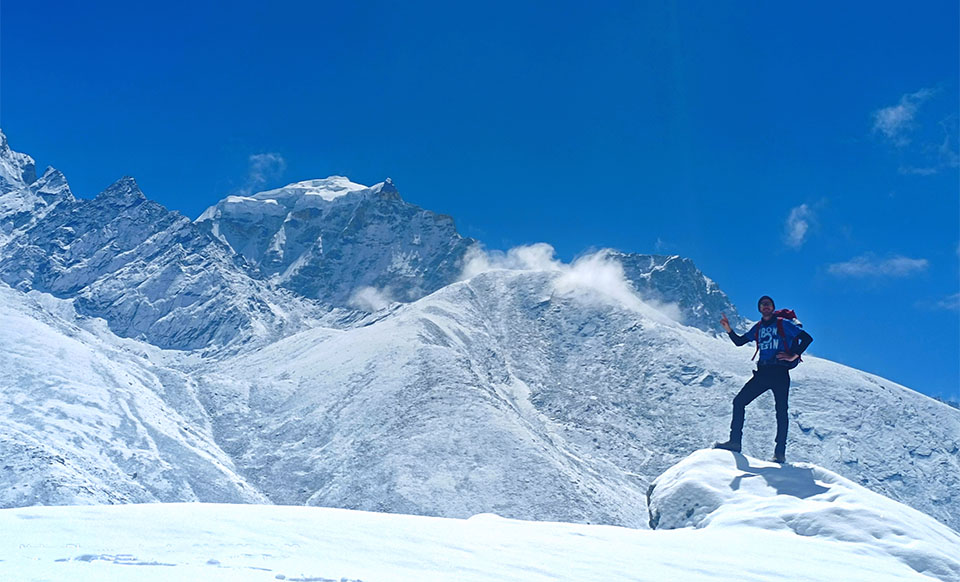
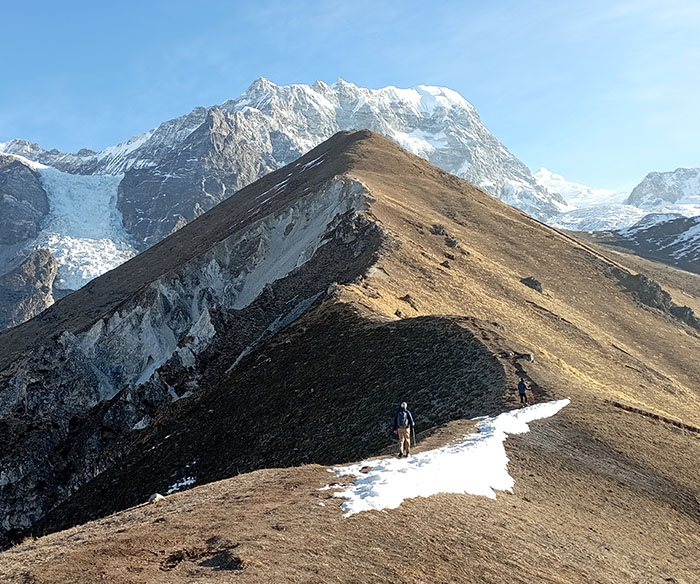
Solo trekkers enjoying breathtaking Himalayan views on the way to Everest Base Camp in the heart of the Khumbu region of Nepal.
Do I need a guide, or can I trek solo?
Though you can hike alone, a guide is preferable. A guide makes it easier to get down the trail, manage logistics, and help in emergencies. Even solo, you get to hike at your own pace with the advantage of a guide's knowledge and security. In fact, many "solo" hikers hire guides to preserve freedom while ensuring safety.
What permits do I need for a solo EBC trek?
You will need two permits:
- Sagarmatha National Park Entry Permit
- Khumbu Pasang Lhamu Rural Municipality Permit
They can be arranged in Kathmandu or at entry points along the trail. Visit Himalaya Treks can arrange all necessary paperwork ahead of time, which will ensure the beginning of your trip is hassle-free.
What challenges am I likely to encounter trekking alone?
The main challenges are:
- Altitude sickness: Acclimatization must be done gradually.
- Loneliness: Trekking alone may isolate some.
- Decision-making: No group support, so all decisions fall on you.
- Emergencies: If ill or injured, it may take longer to receive help if trekking completely alone.
These challenges attest to the reasons why most solo trekkers still use local support.
Can I meet other trekkers if I go alone?
Absolutely, the Everest Base Camp route is one of the most popular in Nepal, so you’ll meet many fellow trekkers from around the world. Tea houses are social hubs where solo travelers often find companionship, share meals, and even join temporary groups along the way.
What’s the best season for a solo trek to EBC?
The finest months are spring (March to May) and fall (September–December) when the weather is stable, blue skies prevail, and trails are lined with trekkers. Solo trekking in the monsoon or winter is possible, but with greater hardship in the form of rain, snow, and fewer travelers.
Is Wi-Fi or a mobile network available on the trail?
Yes, Wi-Fi is available in all of the tea houses at a low fee, and mobile reception is improving along the route. Solo trekkers do not have to rely completely on connectivity for security, but it is quite feasible to stay in touch with relatives and friends along the route.