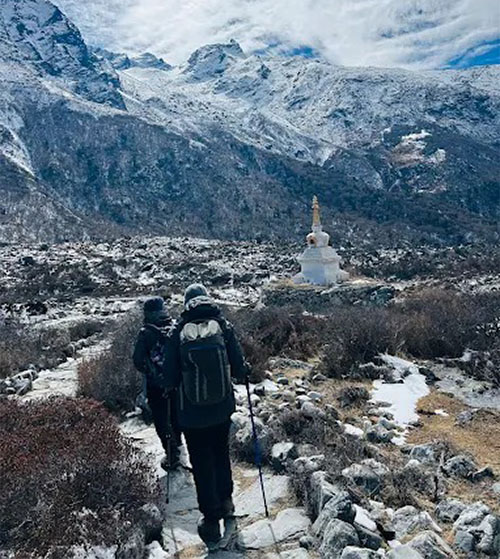
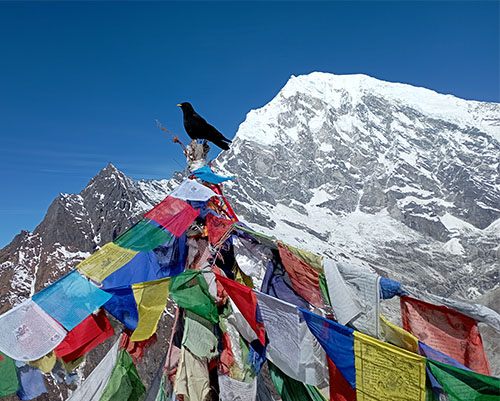
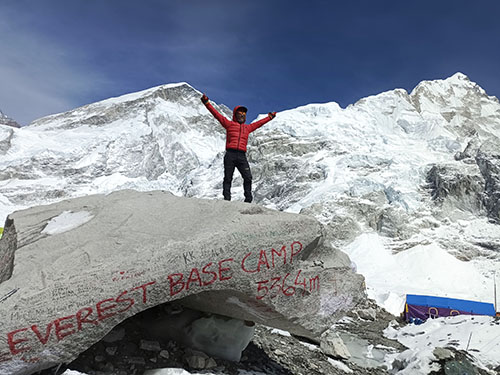
The Makalu Base Camp Trek is one of the least visited Nepal experiences, taking travelers into the pristine Barun Valley, which lies at the foot of the world’s fifth-highest peak, Mt. Makalu (8,485m). Extending over a substantial trekking route, this experience also involves going through subtropical forests, villages inhabited by Rais and Sherpas, challenging passes, meadows, and glaciers.
This particular trekking guide describes the distance of the Makalu Base Camp Trek and how altitude acclimatization is a very important factor. By planning an ideal itinerary of 21 days, this trek manages to create a perfect blend of adventure and exploration and serves as an ideal alternative to experience a true-blue Himalayas destination for expert trekkers.
Why Distance Matters in the Makalu Base Camp Trek?
While preparing for a Himalayan trek adventure like the Makalu Base Camp, the distance of the trek can assume the same significance as the altitude and the itinerary. Since the Makalu area is much less developed than in the case of Everest or Annapurna treks, the distance trekked acquires much more significance in terms of preparation level, toughness, acclimatization requirements, and overall success on the treks.
The distance of the Makalu Base Camp trekking route has been divided into several days, as a result of which the ascent of the trekkers has been made gradual. It might be noted that because of the remoteness of the trekking route, even the average distance of the trekking route becomes strenuous due to the ascent of the mountains and the weather. Proper analysis of the distance of the trekking route will be helpful in the proper management of the trek.
In addition, the calculated distances in the trekking route also have an important role in ensuring the safety of the trekkers. Rest days, including acclimatization days, for instance, at Khongma Danda, are incorporated in a way that counts towards days of recovery prior to heading over difficult passes, including Shipton La and Keke La. In recognizing how distance and height relate on a trek, trekkers appreciate why Makalu Base Camp is one of the best-kept secrets in Nepal when it comes to trekking adventures.
Highlights of the Makalu Base Camp Trek
>Trek through the unexplored Barun Valley, one of the most unspoiled trekking regions found in Nepal.
>Trek to Makalu Base Camp (4,870 m), beneath the world's fifth-highest mountain, Mount Makalu.
>Trek to Barun Glacier and Barun Pokhari (5,100 meters) with breathtaking alpine and glacial sceneries.
>Cross high mountain passes including Shipton La and Keke La, and enjoy spectacular views of the Himalaya.
>Experience diverse terrain types that are either subtropical forests or high-altitude alpine meadows.
>Exploration of rural Rai and Sherpa villages to understand their culture and way of life.
>Have a carefully thought-out itinerary with appropriate acclimatization days for safety.
>Enjoy the breathtaking panoramas of Makalu, Chamlang, Baruntse, and other Himalayan peaks.
>Take the less touristy route that is best suited for adventure lovers.
>Experience the rich flora and fauna at Makalu Barun National Park.
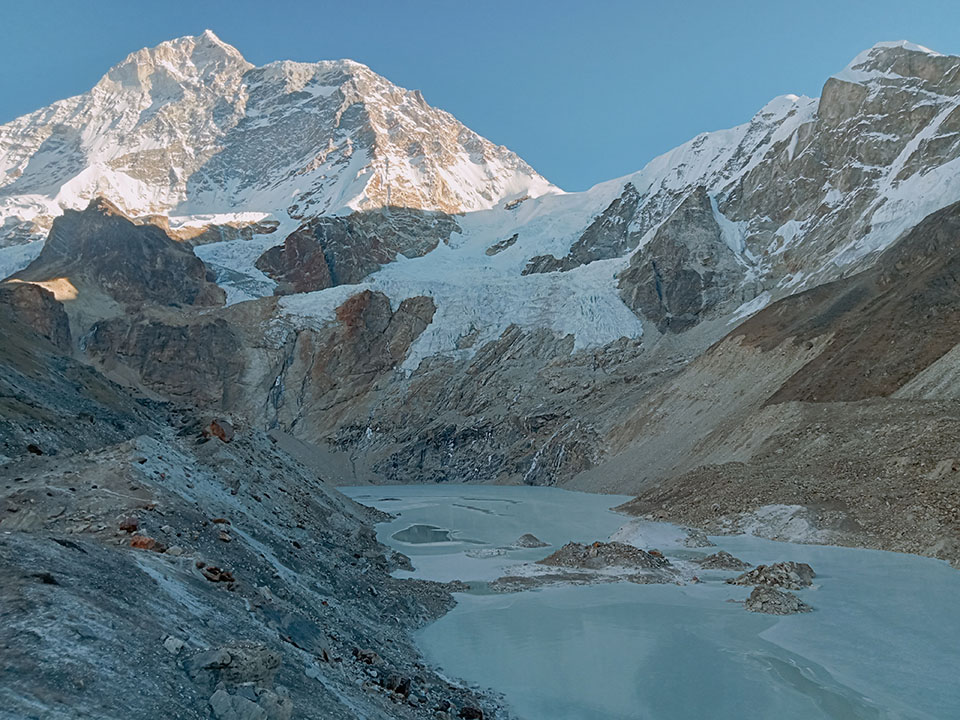
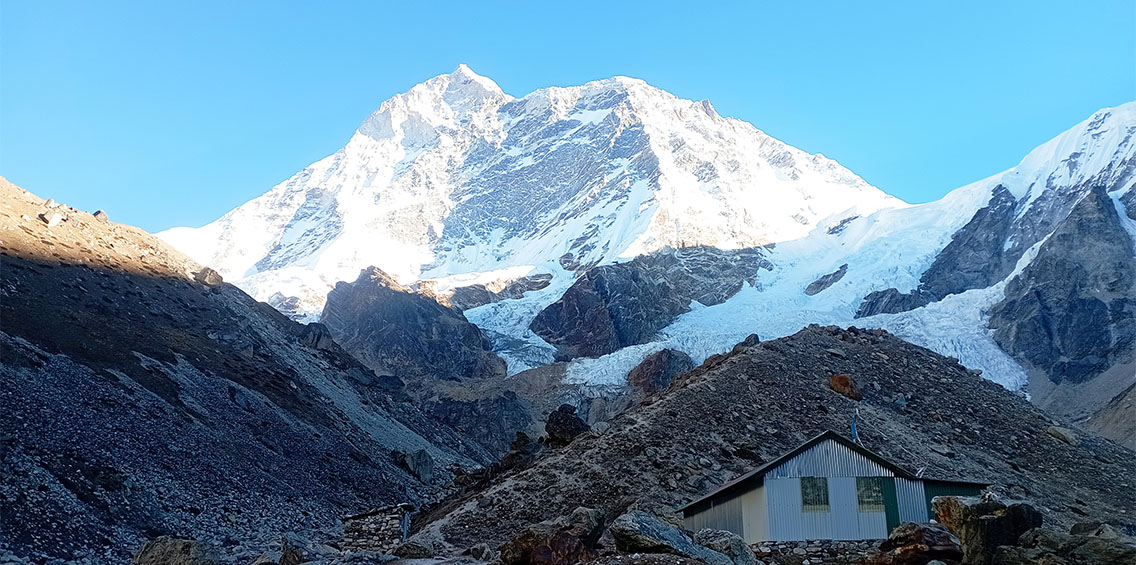
Barun Glacier Lake with a close view of Mount Makalu.
Total Makalu Base Camp Trek Distance & Route.
The Makalu Base Camp trekking route is about 120 -130 kilometers (74-80 miles) in total, including the return trek, although the distance will vary according to the excursions, the time spent for acclimatization, or the distance you roam around the base camp. It may not appear as formidable in comparison to other treks in the Himalayas, but the terrain certainly will be, not to mention the Barun Valley.
The journey begins with a flight from Kathmandu to Tumlingtar, followed by a drive to Num, which is where the actual journey begins. Trekking on after Num, there is a steady gain in altitude through typical village sections: Seduwa, Tashigaon, before reaching the alpine zones around Khongma Danda. After the initial acclimatization, the journey involves tough treks over the high passes of Shipton La and Keke La before reaching the breathtaking Barun Valley.
After Dobate and Yangri Kharka, the terrain changes with extensive alpine meadows and glacial valleys, moving toward Langmale Kharka and eventually Makalu Base Camp, situated at 4,870 meters. Treks also include a trip around base camp that gives hikers a further opportunity to visit either the Barun Glacier, Swiss Camp, or Barun Pokhari. This will increase trekking distance ever so slightly but provides unparalleled views of the Himalayas.
The return trekking route also follows the same path, allowing for safer descent options in case of weather disruptions. This effective trekking route spreads the trekking distance evenly in order to make the trekking process more challenging yet manageable for those trekking.
Day-Wise Trekking Distance Breakdown of the Makalu Base Camp Trek.
To properly prepare for the Makalu Base Camp Trek, it is important that one understands the daily trekking distances that this journey involves. Even if the distances differ by a short margin, the planned itinerary allows for a reasonable amount of walking per day, considering the elevations that need to be attained.
Day 1: Arrival in Kathmandu.
Arrival at Tribhuvan International Airport, meet the trekking team, and transfer to the hotel. Rest and recover after your journey.
Day 2: Kathmandu Sightseeing & Trek Preparation.
Guided sightseeing of UNESCO World Heritage Sites and final trek preparation, gear checks, and briefing.
Day 3: Fly Kathmandu to Tumlingtar & Drive to Num (1,572 m)
Distance: (flight & drive day)
Scenic mountain flight to Tumlingtar will take about 35 to 40 minutes, followed by a dramatic drive through hills and villages to Num village, 45 Kilometers (28 miles), the trekking start point is about a 5-hour drive.
Day 4: Num to Seduwa (1,500 m)
Distance: Approx. 7 km (4.3miles)
A steep descent from Num followed by a long uphill climb through forests and cardamom farms to reach the village of Seduwa.
Day 5: Seduwa to Tashigaon (2,100 m)
Distance: Approx. 8 km (4.9 miles)
Gradual ascent through terraced fields and traditional Rai villages, offering cultural insights and comfortable walking terrain.
Day 6: Tashigaon to Khongma Danda (3,500 m)
Distance: Approx. 7 – 8 km (4.3 -4.9 miles)
Challenging ascent through dense rhododendron and bamboo forests, entering alpine terrain with increasing altitude.
Day 7: Acclimatization Day at Khongma Danda (3,500 m)
Distance: Short acclimatization hikes (~3–5 km) (1.2 -2.4 miles)
Rest day with optional hikes to nearby ridges to help the body adapt before crossing high mountain passes.
Day 8: Khongma Danda to Dobate via Shipton La & Keke La Pass.
Distance: Approx. 8 – 9 km (4.9 -5.5 miles)
One of the toughest days, crossing Shipton La and Keke La passes. High altitude and rugged terrain make this day physically demanding.
Day 9: Dobate to Yangri Kharka (3,557 m)
Distance: Approx. 8 km (4.9 miles)
Gradual descent into the upper Barun Valley with stunning alpine scenery and open yak grazing lands.
Day 10: Yangri Kharka to Langmale Kharka (4,410 m)
Distance: Approx. 10.5 to 12 kilometers (6.5 to 7.4 miles)
Steady climb through barren alpine landscapes, with views of glaciers and towering Himalayan peaks.
Day 11: Langmale Kharka to Makalu Base Camp (4,870 m)
Distance: Approx. 8 km (4.9 miles)
Short but high-altitude trek leading to Makalu Base Camp, surrounded by the massive Makalu massif and Barun Glacier.
Day 12: Exploration Day at Makalu Base Camp (up to 5,100 m)
Distance: Approx. 6 - 8 km (3.7-4.9 miles)
Explore Barun Glacier, Swiss Base Camp, and Barun Pokhari. A relaxed exploration day that enhances acclimatization and experience.
Day 13: Makalu Base Camp to Yangri Kharka.
Distance: Approx. 18 -20 km (11.1 - 12.4 miles)
Long descent retracing the trail through alpine landscapes back to Yangri Kharka.
Day 14: Yangri Kharka to Dobate.
Distance: Approx. 8 km (4.9 miles)
Gradual ascent back toward Dobate, with changing terrain and improving oxygen levels.
Day 15: Dobate to Khongma Danda.
Distance: Approx. 8 – 9 km (4.9 -5.5 miles)
Uphill trek crossing familiar high terrain, requiring steady pacing and endurance.
Day 16: Khongma Danda to Tashigaon.
Distance: Approx. 7 – 8 km (4.3 -4.9 miles)
Long descent through forests back into lower-altitude villages and warmer climate.
Day 17: Tashigaon to Seduwa.
Distance: Approx. 8 km (4.9 miles)
Comfortable downhill walk through farmlands and settlements, enjoying the cultural side of the region.
Day 18: Seduwa to Num & Drive to Tumlingtar.
Distance: Approx. 8 km (4.9 miles) (trek), 45 Kilometers (28 miles) drive.
Final trekking day followed by a scenic drive back to Tumlingtar for an overnight stay.
Day 19: Fly Tumlingtar to Kathmandu.
Distance: (flight day)
Morning flight back to Kathmandu with aerial views of the eastern Himalayas.
Day 20: Free Day in Kathmandu.
Leisure day for rest, souvenir shopping, or optional cultural activities.
Day 21: Final Departure.
Transfer to the airport for onward departure.
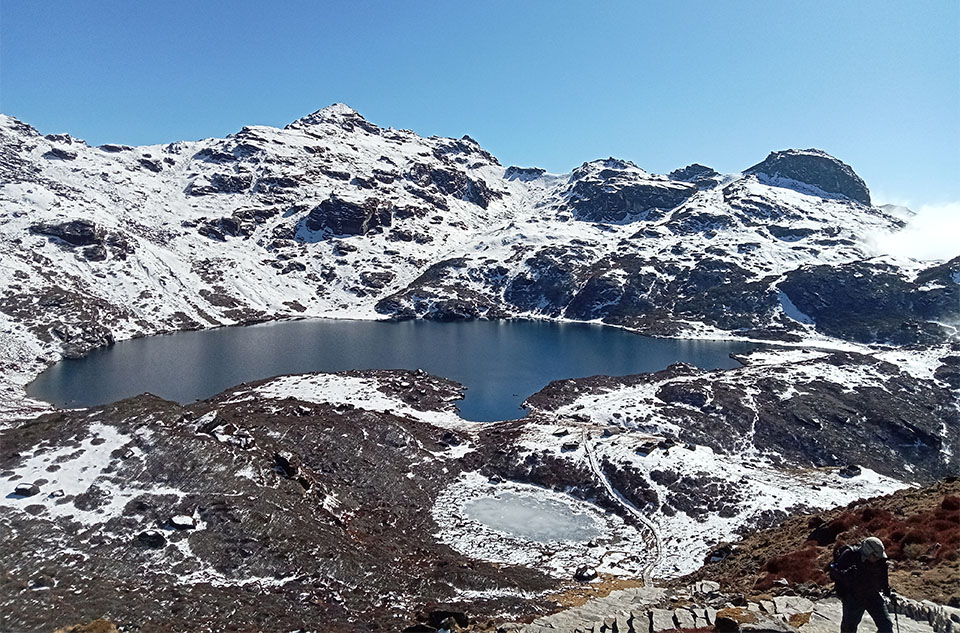
Kalo Pokharai, also known as Thulo Pokhari, is between Shipton La Pass and Keke La Pass.
How Difficult Is the Makalu Base Camp Trek in Terms of Distance?
This trek is not frightening due to the bonkers daily numbers. It’s the combination of distance traveled, rough terrain, altitude, and being very remote that makes it difficult. The total distance you will cover is around 120-130 kilometers. It looks quite manageable, but the actual experience makes it much tougher.
An average day would involve between 6 to 12 kilometers of walking, which is not very taxing even for the Himalayan range. However, you would still end up walking for 5 to 8 hours a day owing to the mountainous terrain, with sudden descents and ascents. Compared to other routes, the Makalu area involves fewer switchbacks and more rugged and worse trails, even if the treks are shorter.
The most challenging part of the trek would be from Tashigaon to Dobate, where the climb in altitude is steep, and there are passes like Shipton La and Keke La to be crossed. The regions are also characterized by low stamina-draining air, and what seems to be a shorter distance appears longer due to sheer exhaustion. It would be even more challenging to carry a load up the mountains.
Why Makalu Base Camp Is a Hidden Gem of the Himalayas?
The Makalu Base Camp Trek has also been termed one of the last true wilderness treks in Nepal. This is because the Makalu Trek has not been affected by commercial tourism, unlike other popular treks in the region, such as the Everest Base Camp Trek or Annapurna Circuit Trek.
Remote & Crowd-Free Experience.
Makalu Base Camp Trek passes through the deep interior of Makalu Barun National Park, which is a far less-visited route compared to other trekking trails. It has merely a few trekkers each season, so you get to walk without many people around, which, to a certain extent, increases the adventure level of this trek.
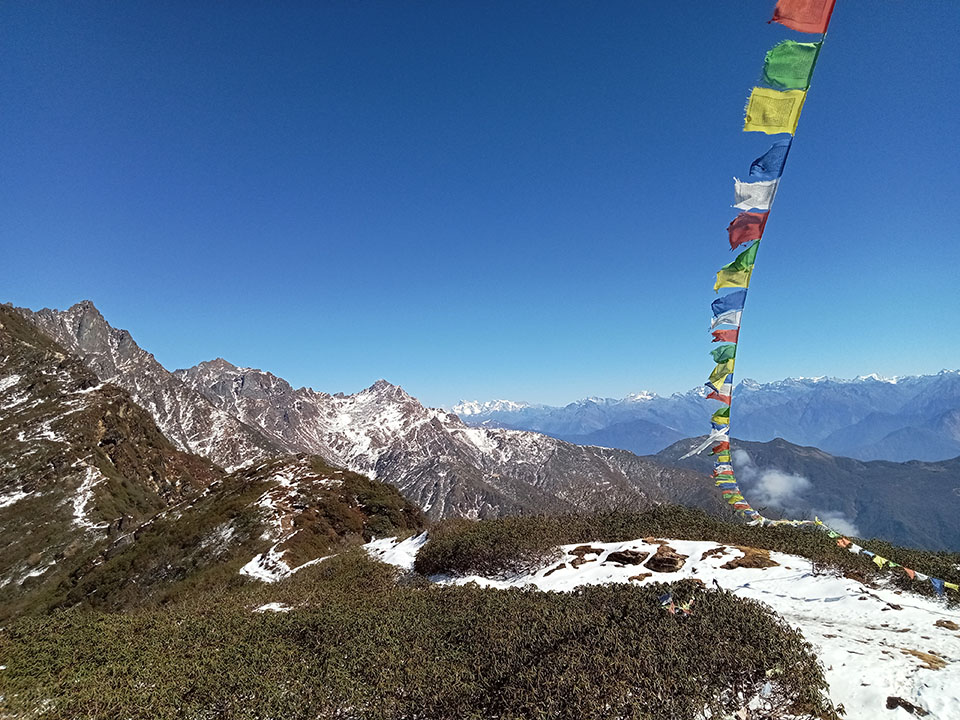
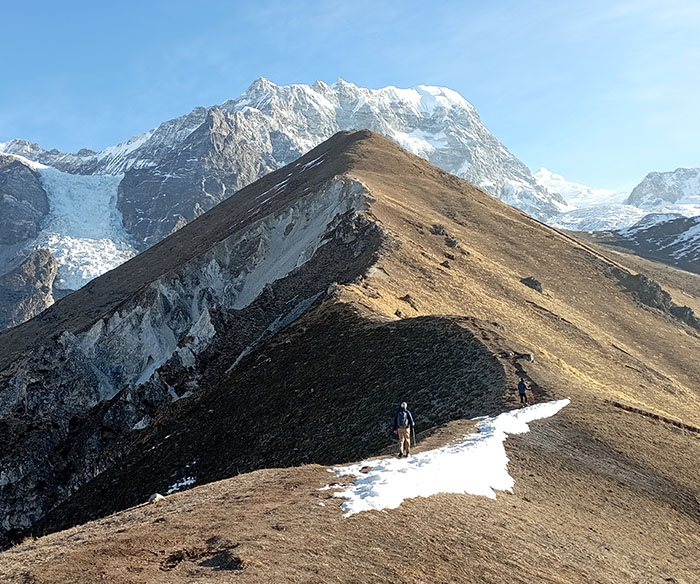
A breathtaking Himalayan Panorama view from Khongma Danda.
Extraordinary Landscape Diversity.
Very few treks in Nepal provide such a contrast in landscape features. The first part of the journey is through subtropical forests and agricultural land, followed by rhododendron slopes and meadows, and eventually the glaciers near the base camp. It is no ordinary sight to see the contrast between the greenery of the forests and the glaciers on the same trek.
Untouched Barun Valley.
The Barun Valley is among the purest valleys in the Himalayas, protected as a conservation area with rich biodiversity. Rare plants, exotic animals, roaring waterfalls, and majestic cliffs are all that trekkers get to experience in and around their trekking trail.
Up-Close Views of Mount Makalu.
Mount Makalu (8,485 m), the world’s fifth-highest peak, is an experience second to none, even Everest Base Camp. The dominating south face of Makalu, along with the vistas of Chamlang, Baruntse, and surrounding peaks, will leave the trekker awestruck at the grandeur of the Himalayas.
Authentic Cultural Encounters.
The route will go through traditional Rai and Sherpa villages, where everyday life and culture continue largely unaltered. Cultural engagements are real, having not been influenced by mass tourism in the region because of the remote nature of the places visited.
True Adventure for Experienced Trekkers.
As a trek with few infrastructural developments, mountain passes, and longer trekking days, Makalu Base Camp is the best choice for those adventure-seekers looking for more than just luxury. It allows for a discovery experience that defines any normal Himalayan adventure.
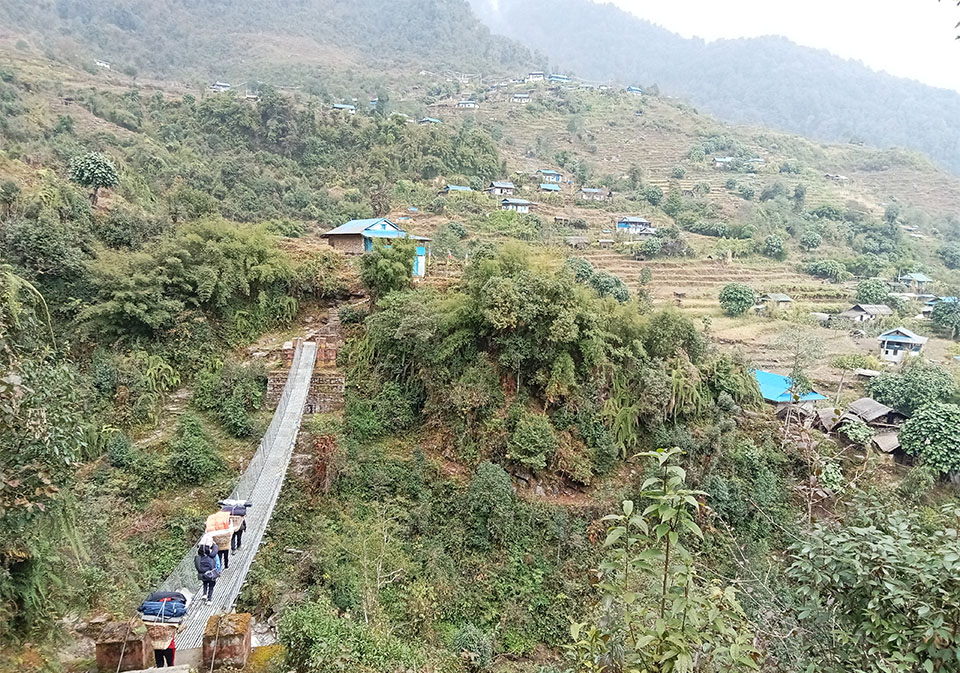
Suspension bridge crossing near Tashigaon Village.
Frequently Asked Questions about Makalu Base Camp Trek and its distance.
How much is the overall trekking distance during the Makalu Base Camp Trek?
The total distance of the Makalu Base Camp Trek is about 120-130 kilometers on a round trip. If side trips and acclimatization hikes around Makalu Base Camp and Barun Pokhari are also included, then the total distance may differ slightly.
How many kilometers a day will you walk during the trek to Makalu Base Camp?
An average of 6 to 12 kilometers is walked daily by trekkers. Though this is not long in terms of distance, due to the nature of the trekking route as well as the altitude involved, the walking is hard.
Is the Makalu Base Camp Trek a beginner-friendly distance?
The Makalu Base Camp Trek is not ideal for novice trekkers owing to the fact that the route involves a long distance, remote trail, and high-altitude trails. Thus, trekkers who have experience of high-altitude treks can opt for this adventure.
Which section of the Makalu Base Camp trek is the longest in distance?
The stretch between Khongma Danda and Dobate, which involves passes like Shipton La and Keke La, is the most taxing. Although the distance is not so lengthy, the effect of the elevations makes it quite exhausting.
Does the altitude influence the sensation of the distance covered during the Makalu Base Camp trek?
Well, yes, altitude is a big factor. The higher you go above 3,500 meters, the less oxygen in the air, and walking becomes slower, making even shorter distances feel very long and exhausting.
Are there acclimatization days for adjusting to the distance of the treks?
Yes, there is a very important acclimatization day at Khongma Danda. These days allow our bodies to adapt to the altitude and also cut down on physical fatigue caused due to trekking each day.
How long does it take to do the Makalu Base Camp Trek?
The full trek will take 21 days, which will include travel, acclimatization, exploration, and contingencies in case of weather changes or flight delays.
Is the return journey shorter or easier in terms of distance?
Though the way back to Tumlingtar involves the same trail, it is relatively easier as trekkers will descend to a lower elevation. There are, nonetheless, days with prolonged trekking hours as a result of going up to previous passes when returning.
Can the trekking distance be modified?
Yes, Visit Himalaya Treks provides flexible trekking options. And depending on your preferences, trekking distances can be modified either by adding rest days, reducing trekking hours, or changing the exploration trek.
How can I prepare myself for the trekking distance to Makalu Base Camp?
While preparing for the trek, one must undertake cardio, strength, and endurance hikes for a few weeks. Any experience with multi-day treks in the Himalayas is highly desirable.