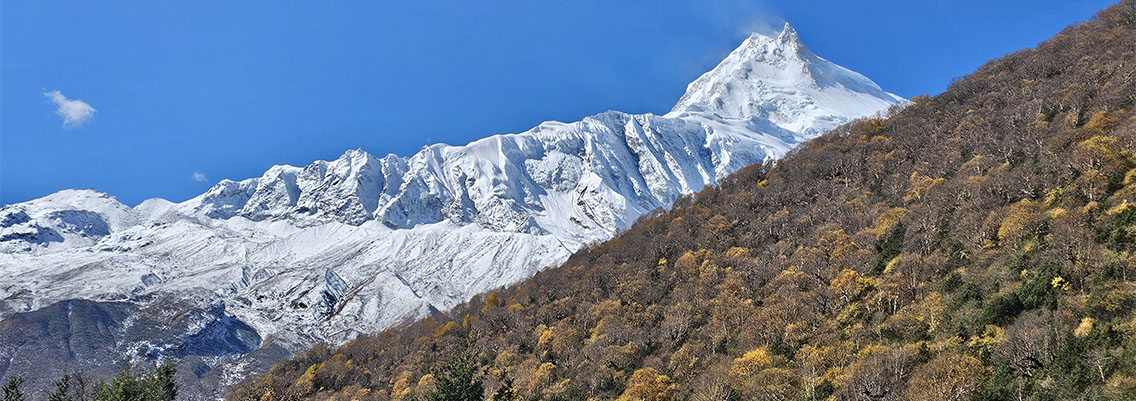
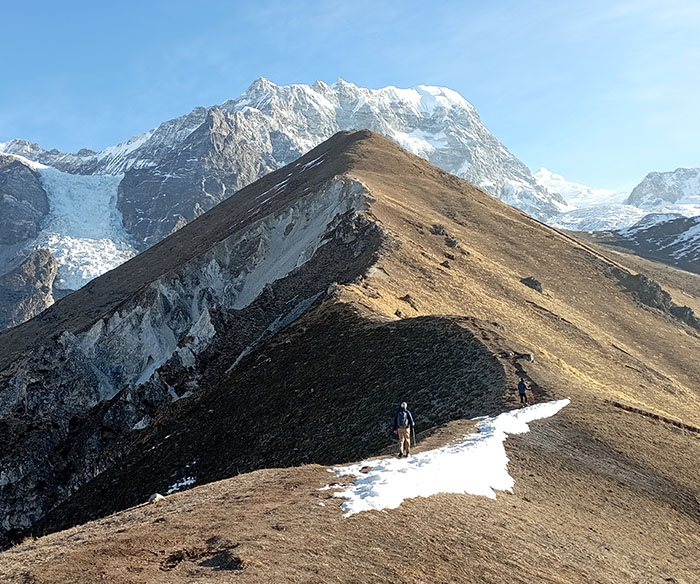
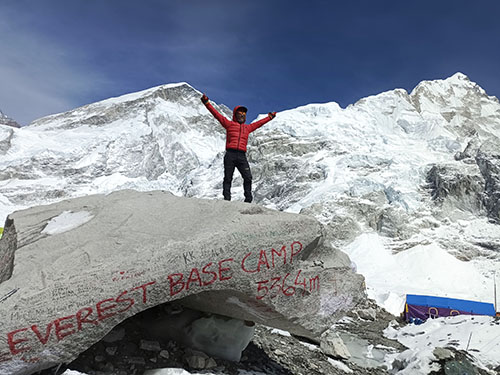
The Manaslu Circuit Trek is one of the most breathtaking high-altitude journeys that Nepal has to offer, yet also one of the most demanding. The adventure blends raw Himalayan wilderness with rich cultural immersion. Circling the world's eighth-highest mountain, Mt.Manaslu (8,163 m), the trail takes you through remote river valleys, ancient Buddhist monasteries, waterfalls, and across dramatic cliffside pathways literally hewn into the mountainside and lush rhododendron forests.
You will cross countless suspension bridges, walk through real Gurung and Tibetan-influenced villages, and ascend gradually toward the spectacular Larkya La Pass at 5,106 meters, one of Nepal's most rewarding and picturesque high passes. Because the region remains wild, rugged, and relatively isolated compared to Everest or Annapurna, having the right packing list is not just helpful; it's essential.Temperatures vary greatly, facilities become limited as you climb higher, and weather conditions can shift with little warning. A thoughtful, well-organized packing plan ensures that you stay warm, safe, comfortable, and fully prepared for long trekking days and cold alpine nights.
The following detailed guide provides the complete Manaslu Circuit Trek packing list, from clothing layers and trekking gear to personal items, travel documents, medications, optional extras, and expert safety tips. From beginner to experienced hikers, this complete packing list will keep you dry, confident, and fully prepared for one of Nepal's most unforgettable Himalayan adventures.
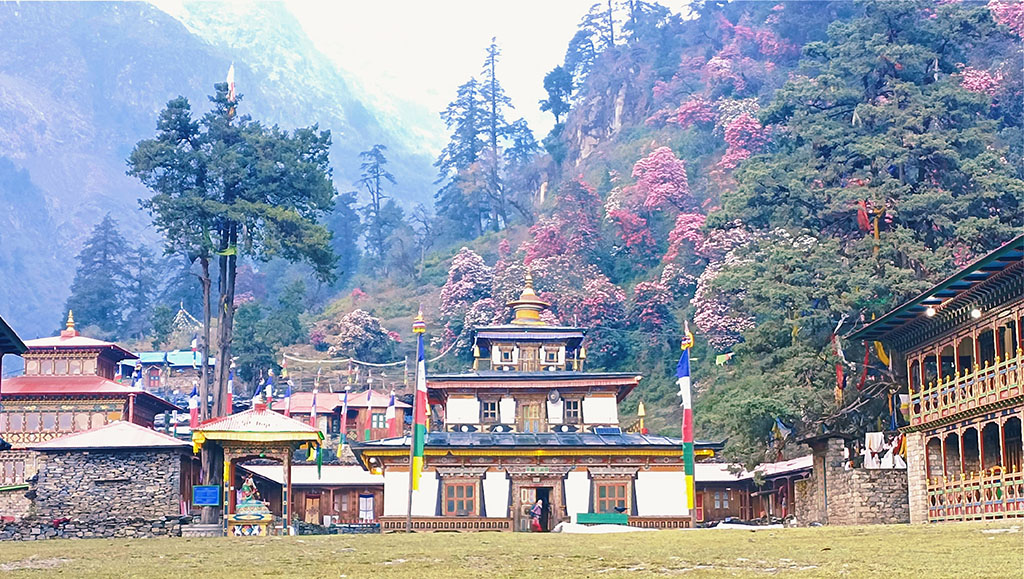
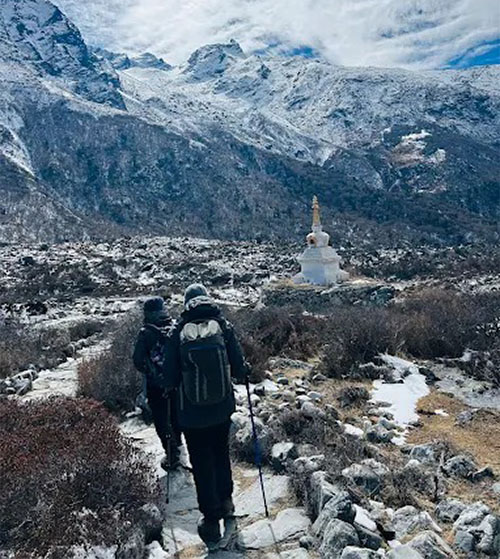
We are staying at the Serang Buddhist Monastery, one of the highlights of our trip.
Why is packing properly important for the Manaslu Circuit Trek?
The Manaslu Circuit Trek is more than another Himalayan trail; it's a high-altitude, multi-climate, and remote trek that requires a lot of planning and preparation long before setting foot on the path. Unlike Everest or Annapurna, where shops and facilities are easy to access, the region of Manaslu has remained largely untouched and isolated. Once you leave Kathmandu and enter the restricted area of the Manaslu Conservation Area, replacement gear for trekking becomes very limited. This makes appropriate packing one of the most important steps toward a safe and successful trek.
Multiple Climatic Zones in One Trek.
The trek takes you from warm subtropical villages to icy alpine terrain in just a few days. Temperatures can indeed rise and fall sharply, from 25°C-in the lower regions to -10 to –15°C near Larkya La Pass. Proper layering ensures you can adapt to sudden weather changes without discomfort or risk.
High-Altitude Weather Is Unpredictable.
The weather at high altitude can be unpredictable. It may start snowing or suddenly become very windy. The right type of clothing, insulation, and waterproof layers would protect you from hypothermia, frostbite, and risks associated with exposure.
Long days of trekking on rugged terrain.
The trail includes steep ascents, long descents, rocky paths, glacial moraines, and uneven terrain. High-quality boots, trekking poles, and supportive gear reduce strain on your knees and help prevent injuries during long walking days.
Limited Resources within Remote Villages.
Beyond Jagat or Deng, shops become scarce, and basic teahouses provide only essential items. You cannot buy important gear such as crampons, walking sticks, glasses, thermals, jackets, on the trail. Packing smart ensures you don’t face shortages or discomfort later.
High Altitude Requires Extra Health Precautions.
The Manaslu Circuit goes over 5,000 meters above sea level, where altitude sickness can affect any person. Bringing proper medication, hydration systems, and personal health items helps in acclimatization and maintaining energy throughout the journey.
Ensures comfort, safety, and a better trekking experience.
Packing correctly will let you enjoy the scenery, culture, and adventure instead of being apprehensive about cold nights, wet clothes, or forgotten items. Proper equipment instills confidence and allows full enjoyment of the remote Manaslu Wilderness.
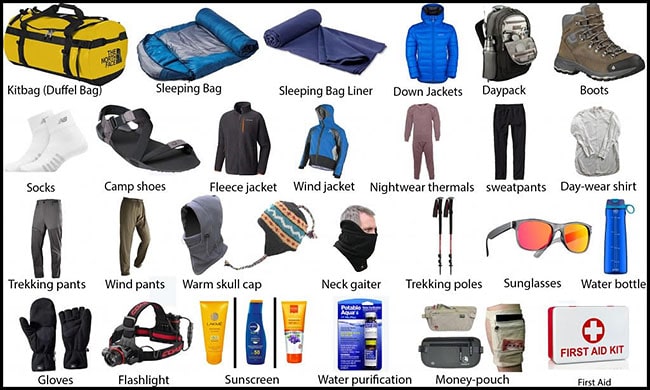
Complete Packing List for Manaslu Circuit Trek.
Clothing for Manaslu Circuit Trek.
Clothing is the foundation of your trek preparation because the Manaslu region exposes you to multiple climate zones in a single journey. From warm lower hills to freezing high passes, proper layering helps regulate body temperature, manage sweat, and protect against wind and snow. Aim for lightweight, moisture-wicking, and quick-drying fabrics, as cotton retains moisture and becomes uncomfortable at altitude.
Base Layers (Moisture-Wicking)
Base layers sit closest to your skin and are essential for managing sweat and keeping your body dry. In the lower regions, lightweight base layers help you stay cool during warm trekking days, while in the higher sections, thermal tops and bottoms trap heat and promote warmth.
Recommended:
- 2–3 moisture-wicking T-shirts.
- 1–2 thermal tops: for high altitude and night temperatures.
- 1–2 thermal bottoms.
These layers prevent chills by keeping sweat off your skin, crucial when temperatures drop quickly, especially during evenings in Samagaun or Dharmasala.
Mid Layers (Insulation)
Mid layers provide insulation by retaining your body heat. Fleece or wool garments offer the perfect balance of warmth without adding too much weight. For the Manaslu Circuit, where evenings can be frosty even during peak seasons, carrying at least one warm mid-layer is a must.
Recommended:
- 1 lightweight fleece
- 1 heavier insulated fleece or wool sweater
- 1 a reliable down jacket for high altitudes
A down jacket is particularly important in crossing the Larkya La Pass at 5,106 m where the temperature often falls below freezing.
Outer Layers (Windproof & Waterproof)
Outer layers protect you from extreme weather, windstorms, snowfall, and occasional rain. A good quality waterproof and windproof shell jacket shields you from harsh climates while allowing ventilation. Waterproof pants are equally important for wet or snowy conditions and keep you dry throughout the trek.
Recommended:
- Waterproof shell jacket: Gore-Tex or similar.
- Waterproof trousers
- Windbreaker or softshell jacket
These layers constitute your first line of defense against unstable weather.
Trekking Pants & Shorts.
The trekking pants should be lightweight and breathable, allowing flexibility during long hours of walking. Quick-dry materials are ideal because they take less time to dry after rain or sweating. Shorts are useful for warm days in the early stages of the trek.
Recommended:
- 2 pairs of quick-drying trekking pants
- 1 pair hiking shorts (optional)
It is also another good choice for saving weight and space: convertible pants.
Underwear & Sleepwear.
Long-distance trekking has much to do with comfort. Quick-dry underwear prevents friction and stays fresh for a longer period. Lightweight sleepwear ensures you sleep well after those long days of trekking.
Recommended:
- 4–6 pairs quick-dry underwear
- Sports bras for females
- Comfortable sleepwear for teahouses
It's not recommended to wear cotton underwear because it retains moisture.
Gloves, Hats & Accessories.
Your hands and head tend to lose heat rapidly at altitude. A combination of liner gloves and insulated winter gloves ensures warmth on the cold days, especially near the pass. Hats and buffs protect against cold winds, sun exposure, and dusty trails.
Recommended:
- Inner liner gloves
- Insulated winter gloves
- Warm beanie or wool hat
- Sun hat/cap for daytime
- Buff or neck gaiter
Footwear.
Wearing the right footwear is crucial on the Manaslu Circuit, where trails include rocky paths, suspension bridges, steep ascents, and long descents. Proper boots improve stability, prevent injury, and keep your feet warm.
Hiking Boots.
Your trekking boots are the most important item for the entire journey. Choose waterproof, high-ankle boots with good grip. Since the trail varies from smooth forested paths to rocky alpine terrain, ankle support reduces the risk of twisting your foot on uneven surfaces.
Recommended:
- Waterproof boots
- High-ankle support
- Boots worn for at least 2 weeks before the trek
- Never begin a trek in absolutely new boots.
Socks.
Socks contribute significantly to comfort. Wool-blend socks regulate temperature, prevent blisters, and keep your feet warm. Thermal socks are essential for cold nights at higher elevations.
Recommended:
- 3–4 pairs trekking socks
- 2 pairs thermal socks
Sandals or Camp Shoes.
After hours of trekking, removing your boots and slipping into lightweight sandals feels refreshing. Camp shoes are also useful for bathroom visits or evenings in teahouses.
Gear & Equipment for Trekking.
Gear selection affects convenience, safety, and packing weight. The following essentials help you stay organized and prepared for long trekking days and the high pass.
Backpacks & Duffle Bags.
You will carry a daypack with personal items, while porters carry your duffel bag. Ensure your backpack fits comfortably and has supportive straps.
Recommended:
- 35–45L daypack
- Duffel bag (provided by Visit Himalaya Treks)
- Rain cover for the backpack
Sleeping Bag.
Nights in teahouses can be extremely cold, especially in Samaguan, Samdo, Dharamshala, and Bhimtang. A warm sleeping bag ensures comfortable sleep.
Recommended:
- Sleeping bag rated -20°C to -25°C depending on season
Trekking Poles.
Poles ease pressure on your knees during descents and provide support on long climbs. They are particularly helpful when crossing Larkya La Pass.
Headlamp & Lighting.
Electricity in remote villages can be limited. A headlamp with extra batteries ensures visibility at night or early morning starts.
Sun & Hydration Essentials.
Sunglasses protect against snow glare, while sturdy water bottles and purification tablets help you stay hydrated safely.
Personal Toiletries & Hygiene Items.
Keeping yourself clean and comfortable on a long trek is important, especially in remote areas, as facilities become much more basic as you ascend. Teahouses along the Manaslu Circuit provide simple accommodation but usually offer limited bathroom supplies, cold-water washing areas, and often available paid hot showers. Bringing your own toiletries ensures that you stay fresh and hygienic throughout the journey.
Other essentials include biodegradable soap, shampoo, toothpaste, toothbrush, deodorant, and wet wipes for those days when showers are not possible. A quick-dry travel towel is a must, as evenings are cold and towels take longer to dry out. Sunscreen and lip balm with SPF are used to protect your skin from strong UV exposure at altitude, while hand sanitizer becomes incredibly useful before meals and after making use of communal facilities. Packing these items will enhance not only cleanliness but also prevent skin issues, infections, or discomforts, thus making your trek far more enjoyable.
First Aid Kit & Personal Medications.
Although your guide carries a basic first-aid kit, having your own medical supplies ensures faster response and personal comfort. Manaslu has over 5,000 meters in altitude; hence, altitude-related symptoms may well occur. Take with you Diamox (Acetazolamide) for acclimatization, along with ibuprofen for headaches, cold tablets, and rehydration salts to keep up with electrolytes. Blister care, such as band-aids, moleskin patches, and antiseptic cream, is very important, especially on days of heavy trekking.
If you take any prescription medications, be sure to pack enough for the entirety of your journey, plus a few days in case of delays. Also, include a small set of basic health essentials: motion sickness tablets, stomach medicine, antihistamines, and anti-inflammatory balm. Because trekking is often done in a very remote region, access to medical stores is extremely limited, so packing smartly protects not only your health but also keeps your trek running smoothly.
Electronics & Accessories.
The higher the altitude, the less reliable the electricity is in the teahouses. There is often a small charge for charging devices. Bringing your own power solutions ensures that gear stays functional throughout a trek. A 10,000-20,000 mAh power bank is highly recommended to charge phones, cameras, watches, and headlamps when outlets are unavailable. Solar chargers can also be helpful on sunny days.
Carry extra batteries for your camera, because cold temperatures drain batteries faster. Carry a universal travel adapter, as different lodges use different socket types. For photography enthusiasts, memory cards and protective cases are recommended due to dust and moisture. Electronics can certainly help in your trek, but equal importance should be given to safeguarding them from rain, humidity, and shocks.
Travel Documents, Permits & Money.
The Manaslu area is a restricted zone for trekkers and requires numerous permits, all of which you are supposed to carry with you always. Documents such as your passport, insurance papers or policy with coverage of high-altitude trekking, and passport-sized photos for the permit are required. Visit Himalaya Treks will take care of the Manaslu Restricted Area Permit, MCAP, and ACAP on your behalf, but carrying photocopies with you provides extra security.
There are no ATMs beyond Manaslu Circuit Trek route, and very few teahouses accept cards, so carry enough Nepali cash for snacks, hot showers, Wi-Fi, charging, and personal expenses. Store your documents in a waterproof pouch to protect them from rain or sweat. Proper organization ensures a hassle-free trek through checkpoints and remote villages.
Snacks & Energy Boosters.
While teahouses along the way provide full meals, having high-energy snacks on hand makes a world of difference in long, steep climbs, especially those leading up to Samdo, Dharmasala, and the Larkya La Pass. Snacks such as energy bars, nuts, chocolate, trail mix, and electrolyte tablets provide instant fuel and are great for maintaining stamina.
Snacks are available in the lower villages, but prices increase dramatically with the altitude. Bringing your favorites from Kathmandu or from home, if you like particular brands, assures savings and convenience. These minor items weigh little and are extremely effective in maintaining your energy levels during the day.
Optional Comfort & Convenience Items.
Optional items, though not necessary, add a certain comfort and personal pleasure to your trek, especially during rest days or cold evenings in teahouses. Lightweight gaiters keep snow or mud from getting into your boots if you are trekking in early winter or in rainy conditions. A reusable water purifier bottle or UV purifier provides added assurance when clean water is scarce. Other useful extras include a journal, a book, downloaded movies or music, small travel games, spare ziplock bags for organization, and a compact sitting pad for rest breaks. These items enhance your comfort and help you unwind after long trekking days, making the overall experience more enjoyable and personalized.
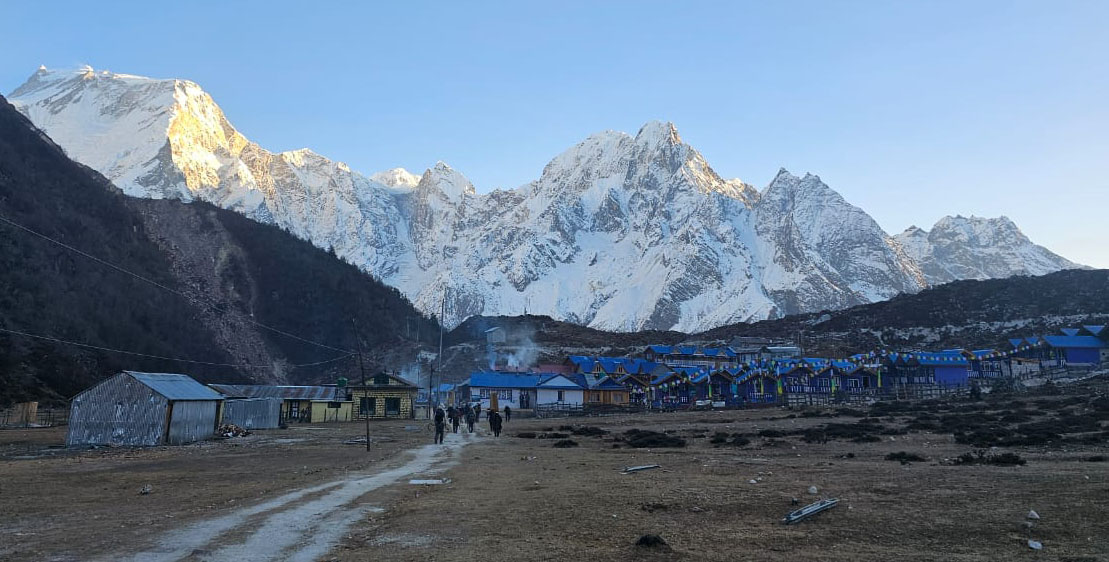
Bhimtang Valley, one of the beautiful valleys en route to the Manaslu Trek.
Expert Packing Tips for the Manaslu Circuit Trek.
Packing for the Manaslu Circuit is not about carrying everything, but more about how to be smart with your packing, keep it organized, and know the specific challenges you will face in this remote high-altitude region. These expert tips ensure that you remain comfortable, safe, and fully prepared throughout the journey.
Focus on Layering Instead of Heavy Clothing.
Layering is the golden rule while trekking in the Himalayas. Instead of carrying bulky jackets or heavy clothes, it is better to carry a combination of lightweight, breathable layers that can easily be added or removed depending on temperature changes. This keeps your body heat in balance, avoids unnecessary sweating, and keeps the weight in your backpack as low as possible. The weather dramatically changes from the low-lying villages to high-altitude areas; flexible layering will keep you comfortable at all altitudes.
No Cotton: Quick-Drying Fabrics Rule.
Cotton holds water and takes a long time to dry out, creating discomfort and danger in cold conditions. However, go for quick-dry synthetic or merino wool that wicks away moisture, remains warm when wet, and dries out quickly. This is very important for base layers, socks, and underwear, because staying dry means no chills or blisters.
Break Your Trekking Boots Before the Trek.
New boots often give you painful blisters, which can make trekking very uncomfortable. Wear your boots a minimum of two weeks prior to your trek to begin softening the material and molding them to your feet. Breaking them in ensures comfort, reduces injury risk, and builds confidence for long trekking days.
Pack Light but Do Not Skip Essentials.
Although minimal packing is important, never compromise on safety essentials like a warm down jacket, waterproof layers, gloves, and a reliable headlamp. The Manaslu Circuit takes you into remote alpine terrain, so ensure you have everything needed to stay warm and safe, even if some items seem heavy or take up space.
Use Packing Cubes or Ziplock Bags to Organize.
The same is true with being organized, making it simpler to find anything you may need in a jiffy, especially for early morning starts. Packing cubes separate your clothes by category and keep them compact while keeping clutter out of your duffel bag. Ziplock bags protect electronics, documents, snacks, and toiletries from moisture and dust.
Keep Heavy Items Close to Your Back
Pack your daypack by putting heavier items, like water bottles, power banks, or cameras, closer to your back and center. It improves the balance, decreases strain on the shoulders, and therefore makes trekking easier. Lighter items can go toward the outer pockets.
Bring at least two water bottles or one hydration bladder.
Hydrating at altitude is extremely important. Bringing two 1-liter bottles or a 2-liter hydration bladder ensures you drink enough throughout the day. Most villages and tea houses have a source of water; Boiled water, purification tablets, or filters are crucial for safe drinking.
Prepare for Cold Nights Regardless of Season.
Even during the peak trekking seasons, autumn and spring, nighttime temperatures plummet in places like Samagaun, Samdo, Dharmasala, and Bhimtang. Thermal layers, a warm sleeping bag, a down jacket, and insulated socks are needed to ensure a comfortable night’s rest.
Test all electronics and gear before leaving Kathmandu.
Before commencing any trek, ensure that your headlamp is in good condition, the power bank is fully charged, and your backpack fits comfortably. Testing equipment beforehand avoids surprises when you're far away from shops that sell services.
Always Carry a Lightweight Daypack Organizer.
Most trekkers do not realize how much a daypack organizer can help. It assists in storing essentials like sunscreen, snacks, water, a rain jacket, a camera, and gloves in easy-reach compartments that make daily trekking much easier. Waterproof Everything Possible. The weather in the mountains can change within minutes, and suddenly you may get rain or snow that will soak all your belongings. Use rain covers, dry bags, and ziplock bags to protect electronics, documents, clothes, and snacks. Waterproofing prevents damage and ensures comfort on wet days.
Complete Packing Guide for Manaslu Trek Conclusion.
Packing properly for the Manaslu Circuit Larkya Pass Trek is one of the most important steps toward ensuring a safe, comfortable, and enjoyable adventure. From warm clothing and reliable boots to essential documents and personal medications, every item plays a crucial role when trekking through remote valleys and high-altitude landscapes.
With this comprehensive Manaslu trek packing list and the expert guidance of Visit Himalaya Treks, you can prepare confidently and step onto the trail fully equipped for the journey ahead. Whether you’re crossing suspension bridges or standing at the top of Larkya La Pass, the right gear will help you trek stronger, safer, and more comfortably.